Understanding the Latest Carney Poilievre Polls
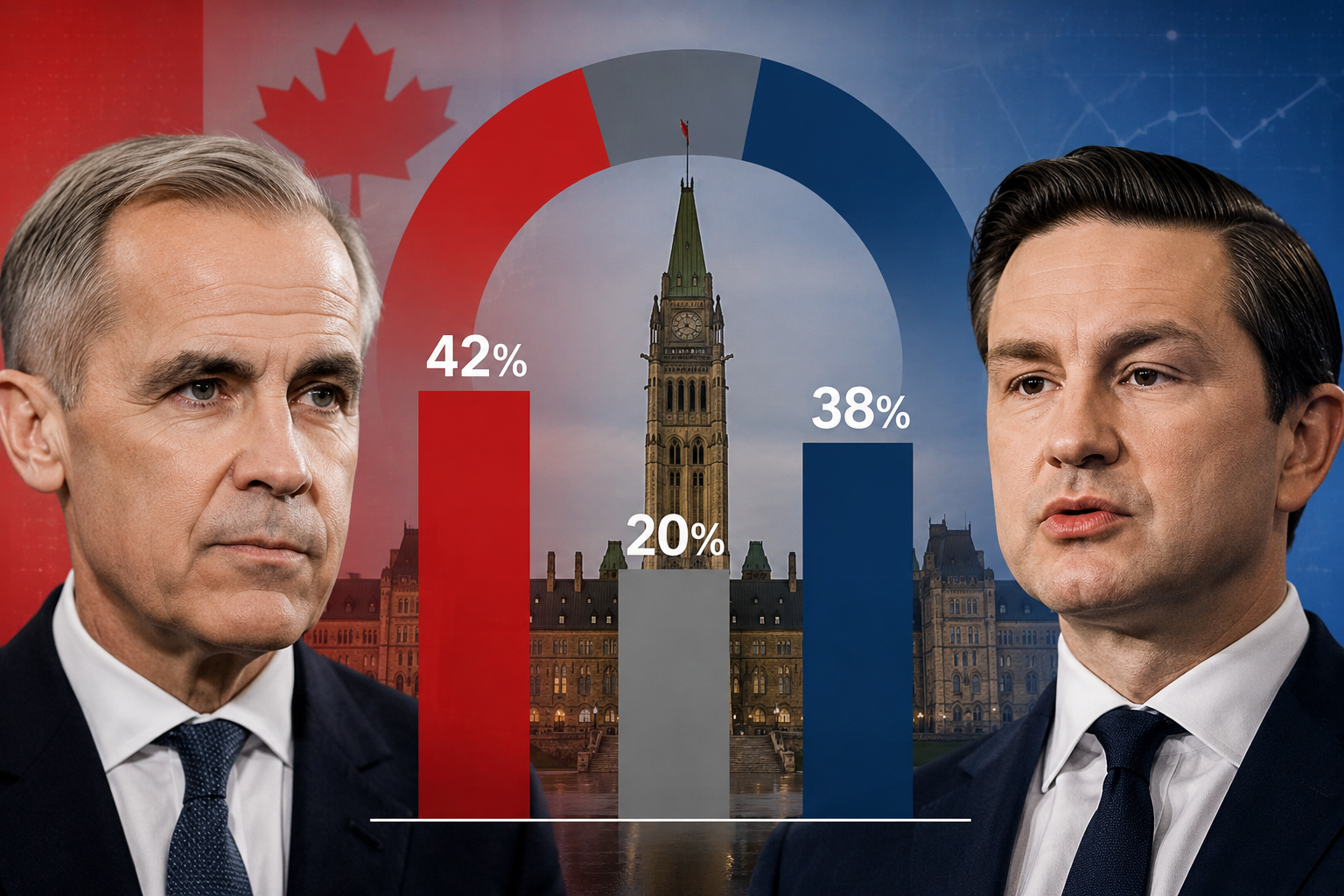
The latest carney poilievre polls provide a snapshot of how Canadians currently view the country’s two most prominent political figures. National polling firms regularly survey eligible voters to measure voting intentions, leadership approval, and the issues that matter most to the public. These polls are conducted using different methodologies, such as online panels and telephone interviews, with results weighted to reflect Canada’s population. While no single poll can predict an election outcome, comparing multiple surveys over time helps identify broader trends and shifts in public opinion, making them a valuable tool for understanding the current political climate.
Why Mark Carney Has Gained Momentum in National Polls
Mark Carney has gained momentum in recent national polls largely because of his reputation as an experienced economist and former central banker. Many Canadians recognize his leadership during periods of financial uncertainty, including his time leading the Bank of Canada and the Bank of England. As concerns about inflation, affordability, and economic stability remain important issues for voters, Carney’s financial background has helped strengthen his public image. Polls also suggest that some undecided voters view him as a steady and pragmatic leader capable of managing complex economic challenges.
Another reason for Carney’s rising support is the renewed interest in leadership and policy direction within Canadian politics. Polling data indicates that many voters are evaluating not only party platforms but also the personal qualities of each leader. Carney’s emphasis on economic growth, international experience, and long-term planning has appealed to moderate and independent voters. Although public opinion can change quickly, recent surveys show that his leadership has contributed to improved support for the Liberal Party, making the carney poilievre polls a closely watched indicator of Canada’s evolving political landscape.
How Pierre Poilievre’s Support Has Changed
Pierre Poilievre continues to maintain a strong base of support, particularly among voters who prioritize lower taxes, government accountability, and affordability. However, recent polling trends suggest that his overall support has fluctuated as political circumstances and voter priorities have evolved. While he remains a leading figure in Canadian politics, some surveys indicate that the gap between him and Mark Carney has narrowed due to changing public perceptions and increased attention on economic leadership. Despite these shifts, Poilievre remains highly competitive, and future carney poilievre polls will likely continue to reflect changing voter opinions as new policies, debates, and national events influence the political landscape.
Comparison of Recent Canadian Poll Results
Recent Canadian polls reveal that the race between Mark Carney and Pierre Poilievre remains one of the most closely watched political contests in the country. While individual polling firms often report slightly different numbers because of their methodologies and sample sizes, many surveys have shown the Liberal Party holding a modest national lead under Carney’s leadership. At the same time, the Conservative Party continues to enjoy strong support in several provinces, demonstrating that the political landscape remains highly competitive. This is why analysts recommend looking at polling averages rather than relying on a single survey.
| Polling Organization | Overall Trend | Key Finding |
| Angus Reid Institute | Liberal Advantage | Carney maintains stronger leader approval ratings. |
| Leger | Liberal Lead | Liberals hold a national lead among decided voters. |
| Abacus Data | Competitive Race | Liberal momentum continues, though support has stabilized. |
| Ipsos | Close Contest | Both leaders remain competitive on key voter issues. |
| 338Canada (Poll Aggregate) | Aggregated Results | Combines multiple polls to provide a broader national projection. |
The carney poilievre polls also highlight regional differences across Canada. Liberal support tends to be stronger in urban areas and parts of Atlantic Canada, while Conservative backing remains solid in many Western provinces and rural communities. These regional voting patterns mean that national polling percentages do not always translate directly into election outcomes, making seat projections and local trends just as important as overall vote share when assessing Canada’s political outlook.
What Polling Experts Say About the Trends
Polling experts generally advise Canadians to focus on long-term trends instead of individual survey results. Since every poll has a margin of error and uses different sampling methods, one poll alone cannot accurately predict an election outcome. Analysts typically compare results from several reputable polling organizations over weeks or months to identify consistent patterns in voter behaviour. Current carney poilievre polls suggest that leadership perception, economic confidence, affordability concerns, and regional voting preferences continue to play a major role in shaping public opinion, making the political landscape dynamic as future campaigns and policy announcements unfold.
Factors That Could Change Future Poll Results
Several factors could significantly influence future carney poilievre polls in the months ahead. Economic conditions will remain one of the biggest drivers of voter opinion, especially issues such as inflation, housing affordability, interest rates, healthcare, and employment. Major policy announcements, party conventions, leadership debates, and government decisions can also shift public sentiment quickly. In addition, unexpected national or international events often affect how voters evaluate political leaders and their ability to respond to challenges.
Voter turnout and campaign performance will also play an important role in shaping future polling trends. A leader who communicates a clear vision, connects with undecided voters, and performs well during debates may see increased public support. Social media campaigns, grassroots outreach, and regional issues can further influence voting intentions in key provinces. Because public opinion changes over time, political analysts recommend following multiple reputable polling organizations rather than relying on a single survey, ensuring a more balanced understanding of Canada’s evolving political landscape.
Conclusion
The latest carney poilievre polls show that Canada’s political landscape remains highly competitive, with both Mark Carney and Pierre Poilievre attracting significant public support. While recent surveys have generally indicated an advantage for Carney and the Liberal Party, polling numbers continue to evolve as economic conditions, leadership performance, and voter priorities change. Since polls represent a snapshot of public opinion rather than a prediction of election results, following multiple trusted polling organizations over time provides the most accurate picture of political trends and helps Canadians better understand the direction of the country’s federal politics.
FAQs
1. What are the latest Carney Poilievre polls?
The latest carney poilievre polls generally show a competitive race, with recent national surveys indicating the Liberals led by Mark Carney holding a slight advantage over the Conservatives led by Pierre Poilievre.
2. Which polling organizations track Canadian federal politics?
Some of the most trusted polling organizations include Angus Reid Institute, Leger, Abacus Data, Ipsos, and 338Canada, which regularly publish national voting intention and leadership surveys.
3. Can political polls accurately predict election results?
No. Polls reflect public opinion at the time they are conducted. They help identify trends but cannot guarantee the outcome of an election because voter preferences can change before election day.
4. Why do different polls show different results?
Different polling firms use varying methodologies, sample sizes, survey dates, and weighting techniques. These differences can lead to slightly different results, which is why experts recommend comparing multiple reputable polls rather than relying on a single survey.