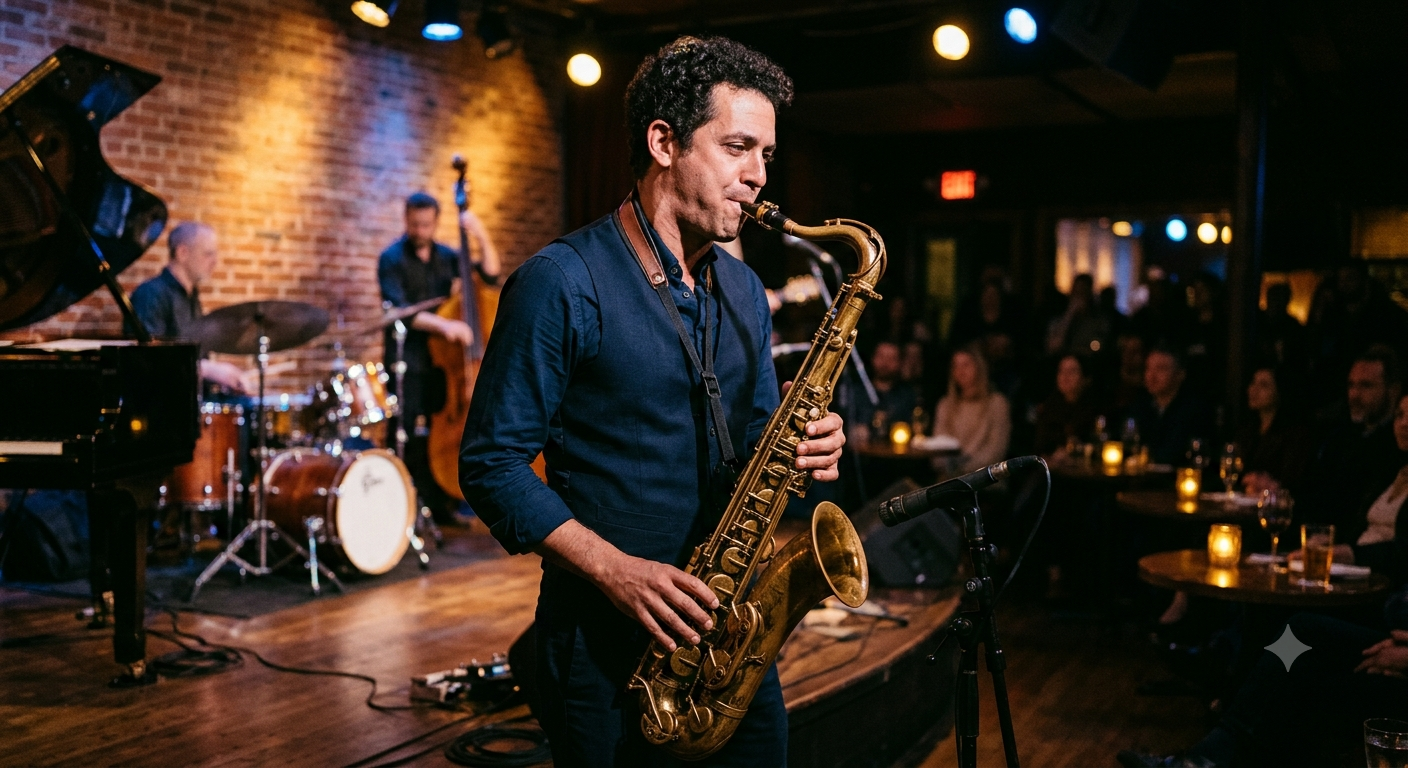
The tenor saxophone is one of the most recognizable musical instruments in jazz, blues, rock, pop, and concert music. Known for its rich, warm, and expressive sound, it can produce everything from smooth melodies to powerful musical solos. Whether you are a beginner choosing your first saxophone or an experienced musician looking to improve your technique, understanding the tenor saxophone can help you appreciate its versatility and musical value.
The tenor saxophone belongs to the woodwind family, even though it is usually made from brass. It produces sound through a single reed attached to a mouthpiece. When a player blows into the mouthpiece, the reed vibrates, creating sound that travels through the instrument. Its distinctive tone and wide musical range have made it a favorite among professional musicians, music students, and jazz enthusiasts worldwide.
What Is a Tenor Saxophone?
The tenor saxophone is a medium-sized saxophone that is larger than the alto saxophone but smaller than the baritone saxophone. It is commonly pitched in B-flat, meaning that written notes sound a major ninth lower than written when played at their standard pitch. This transposition is important for musicians who read sheet music or perform with other instruments.
Invented by Adolphe Sax in the 1840s, the saxophone was designed to combine qualities associated with woodwind instruments and brass instruments. The tenor model became especially popular because of its ability to deliver a strong sound while maintaining flexibility and expressive control. Its curved brass body, large bell, mouthpiece, and key mechanism give it a distinctive appearance.
Today, the tenor saxophone is widely used in jazz ensembles, marching bands, concert bands, big bands, and contemporary music groups. Its tonal flexibility allows musicians to perform gentle background passages, energetic melodies, and complex improvisations.
History of the Tenor Saxophone


7
The saxophone was developed by Belgian instrument designer Adolphe Sax during the nineteenth century. He patented his saxophone designs in 1846, introducing instruments intended to bridge the tonal qualities of woodwinds and brass. The tenor saxophone became part of this family and gradually found a place in military bands, classical compositions, and other musical settings.
During the early twentieth century, jazz helped establish the tenor saxophone as a leading solo instrument. As jazz developed in the United States, musicians explored its expressive potential through improvisation, rhythmic phrasing, and distinctive tonal styles. The instrument became central to swing, bebop, hard bop, cool jazz, and later jazz fusion.
Influential players helped expand the instrument’s popularity. Coleman Hawkins demonstrated its powerful, full-bodied sound, while Lester Young developed a lighter and more relaxed approach. Later, John Coltrane pushed its technical and harmonic possibilities, and Sonny Rollins became famous for his inventive improvisation. These musicians helped make the tenor saxophone an enduring symbol of jazz.
In modern music, the instrument remains relevant across numerous genres. It appears in funk arrangements, soul music, pop recordings, film soundtracks, and live performances, demonstrating that its appeal extends far beyond traditional jazz.
Main Features of a Tenor Saxophone


8
The tenor saxophone has several important features that influence its sound, comfort, and performance. Its body is generally made from brass, although some models use different finishes or materials for specific tonal or visual effects. The instrument features a curved neck, a flared bell, numerous metal keys, and tone holes that open and close as the player presses the keys. These components work together to produce different notes across its range.
Another essential component is the mouthpiece and reed. The mouthpiece directs airflow into the instrument, while the reed vibrates to create sound. Players can experiment with different mouthpieces, reed strengths, and ligatures to find a setup that suits their playing style. The tenor saxophone is also equipped with a neck strap or harness because its weight makes proper support important during extended practice sessions.
Sound and Musical Range
The tenor saxophone is admired for its deep, resonant tone and expressive character. Compared with the alto saxophone, it generally produces a fuller and darker sound. However, its tone can become bright, aggressive, smooth, or breathy depending on the musician’s technique and equipment.
Its written range typically extends from B-flat below the staff to F-sharp above the staff on many standard instruments, although the highest available notes depend on the model and key configuration. Experienced musicians can also produce altissimo notes above the conventional range using specialized fingerings and advanced control.
The tenor saxophone is particularly effective at carrying melodies because its sound can stand out over other instruments. In jazz, players often use bends, vibrato, growls, and dynamic changes to express emotion. In pop and rock music, the instrument can deliver energetic hooks, memorable solos, and powerful horn arrangements.
How to Play the Tenor Saxophone
Learning the tenor saxophone requires patience, consistent practice, and proper technique. Beginners should start by assembling the instrument carefully, attaching the mouthpiece and reed correctly, and checking that the keys move freely. The reed should be positioned evenly on the mouthpiece and secured with a ligature.
The first major skill is producing a steady tone. Players should maintain relaxed shoulders, use controlled breathing, and form a comfortable embouchure around the mouthpiece. Blowing too hard can create an unstable or harsh sound, while insufficient airflow may make notes difficult to produce.
Once basic sound production becomes comfortable, beginners can practice long tones, simple scales, and basic melodies. Learning to read music and understand rhythm is also valuable, especially for musicians planning to join a school band or ensemble. Practicing slowly with a metronome helps develop timing and accurate finger coordination.
Regular sessions of 15–30 minutes can provide a useful starting point for new players. As skills improve, practice can include articulation, breath control, tone development, and improvisation. Working with a qualified teacher can help correct technical problems before they become habits.
Tenor Saxophone vs. Alto Saxophone
The tenor and alto saxophones share many characteristics, but they differ in size, pitch, and playing feel.
| Feature | Tenor Saxophone | Alto Saxophone |
|---|---|---|
| Key | B-flat | E-flat |
| Size | Larger | Smaller |
| Sound | Full, warm, and resonant | Bright, clear, and focused |
| Weight | Generally heavier | Generally lighter |
| Beginner suitability | Suitable with proper support | Often easier for younger players to handle |
| Common uses | Jazz, blues, rock, pop | Jazz, concert bands, classical music, pop |
Neither instrument is automatically better than the other. The right choice depends on the musician’s physical comfort, musical interests, and preferred tone. People attracted to deep jazz melodies may prefer the tenor, while those seeking a smaller instrument with a bright tone may favor the alto.
Best Tenor Saxophone for Beginners
Choosing a beginner tenor saxophone involves considering build quality, playability, maintenance, and price. A reliable instrument should have properly aligned keys, comfortable key action, secure pads, and no significant air leaks. Poorly adjusted instruments can make learning unnecessarily difficult.
New players can consider student models from established manufacturers such as Yamaha, Jupiter, and other reputable instrument makers. The Yamaha YTS-280, for example, is a recognized student tenor saxophone designed for developing musicians. Availability and prices vary by country and retailer, so comparing local options is worthwhile.
A used tenor saxophone may be a more affordable alternative, but it should be inspected by a repair technician before purchase. Check the condition of the pads, springs, neck, mouthpiece, and body. A low-priced instrument can become expensive if it needs extensive repairs.
Beginners should also budget for essential accessories, including reeds, a cleaning swab, a neck strap, a sturdy case, and a suitable mouthpiece. Renting an instrument initially can be a practical option for anyone unsure whether they will continue playing.
How Much Does a Tenor Saxophone Cost?
The cost of a tenor saxophone varies considerably according to brand, construction quality, condition, and intended use. Entry-level instruments generally cost less than professional models, while handmade instruments and specialized designs can be considerably more expensive.
Budget instruments may be suitable for casual practice, but their quality can vary. Student models from established manufacturers often provide a more dependable balance of durability and playability. Intermediate and professional instruments typically offer refined key mechanisms, consistent response, and features suited to experienced performers.
Before purchasing, compare the complete cost rather than looking only at the instrument’s price. Repairs, reeds, mouthpieces, cleaning supplies, and lessons can add to the overall expense. Buyers should also consider warranty coverage and access to qualified repair services.
Maintenance and Care Tips
Proper maintenance helps keep a tenor saxophone in good playing condition and can prevent avoidable repair costs. After each session, remove moisture from the mouthpiece and neck, then use a suitable cleaning swab to dry the inside of the instrument. Moisture left inside can contribute to corrosion, odor, and pad deterioration over time.
The reed should be removed, gently cleaned if necessary, and stored in a suitable reed case. Avoid leaving the instrument in a hot car, direct sunlight, or extremely damp environments. Sudden temperature changes can also affect the instrument and its pads.
Wipe the exterior with a soft cloth to remove fingerprints and moisture. Avoid using harsh chemicals or abrasive materials on the finish. The saxophone should always be stored securely in its case when not in use.
Professional servicing is recommended periodically, particularly if keys become noisy, notes stop responding properly, or the instrument develops leaks. Avoid bending keys or attempting complicated repairs without the appropriate skills.
Famous Tenor Saxophone Players


Several legendary musicians have shaped the sound and reputation of the tenor saxophone.
- Coleman Hawkins: Often regarded as a foundational tenor saxophone soloist in jazz, he helped establish the instrument’s importance during the swing era.
- Lester Young: Known for his lighter tone, relaxed phrasing, and influential improvisational style.
- John Coltrane: A major jazz innovator whose recordings explored advanced harmonies, intense improvisation, and new musical structures.
- Sonny Rollins: Celebrated for his rhythmic imagination, melodic development, and influential improvisations.
- Stan Getz: Famous for his smooth, lyrical sound and contributions to cool jazz and bossa nova.
Listening to these musicians can help students understand different approaches to tone, articulation, rhythm, and improvisation. Studying recordings is particularly useful when combined with regular practice and careful attention to phrasing.
Frequently Asked Questions
Is the tenor saxophone easy to learn?
The tenor saxophone is accessible to beginners, but developing a consistent tone, accurate fingering, and good breath control takes practice. Regular lessons and short, consistent practice sessions can help players progress.
Is the tenor saxophone suitable for jazz?
Yes. The tenor saxophone is one of the most important instruments in jazz, widely used for melodies, improvisation, ensemble arrangements, and solos.
How long does it take to learn the tenor saxophone?
Many beginners can play simple melodies within a few weeks or months. Developing reliable technique and performing advanced music generally takes longer, depending on practice time and instruction.
Does a tenor saxophone need regular maintenance?
Yes. Daily cleaning, proper reed storage, safe handling, and periodic professional servicing help maintain its sound and mechanical condition.
Can beginners buy a used tenor saxophone?
Yes, provided the instrument is in good condition. Having a repair technician inspect it before purchase can help identify leaks, damaged pads, and expensive mechanical problems.
Conclusion
The tenor saxophone is a versatile and expressive instrument with an important place in jazz, blues, rock, pop, and concert music. Its rich sound, broad expressive possibilities, and distinctive musical character make it appealing to both beginners and experienced performers.
Choosing the right instrument, learning correct playing techniques, practicing consistently, and maintaining the saxophone properly can help musicians develop their skills over time. Whether your goal is to play jazz solos, join a band, or simply enjoy making music, the tenor saxophone offers a rewarding way to explore musical creativity.