What “Engine Idling Penalties September” Really Means
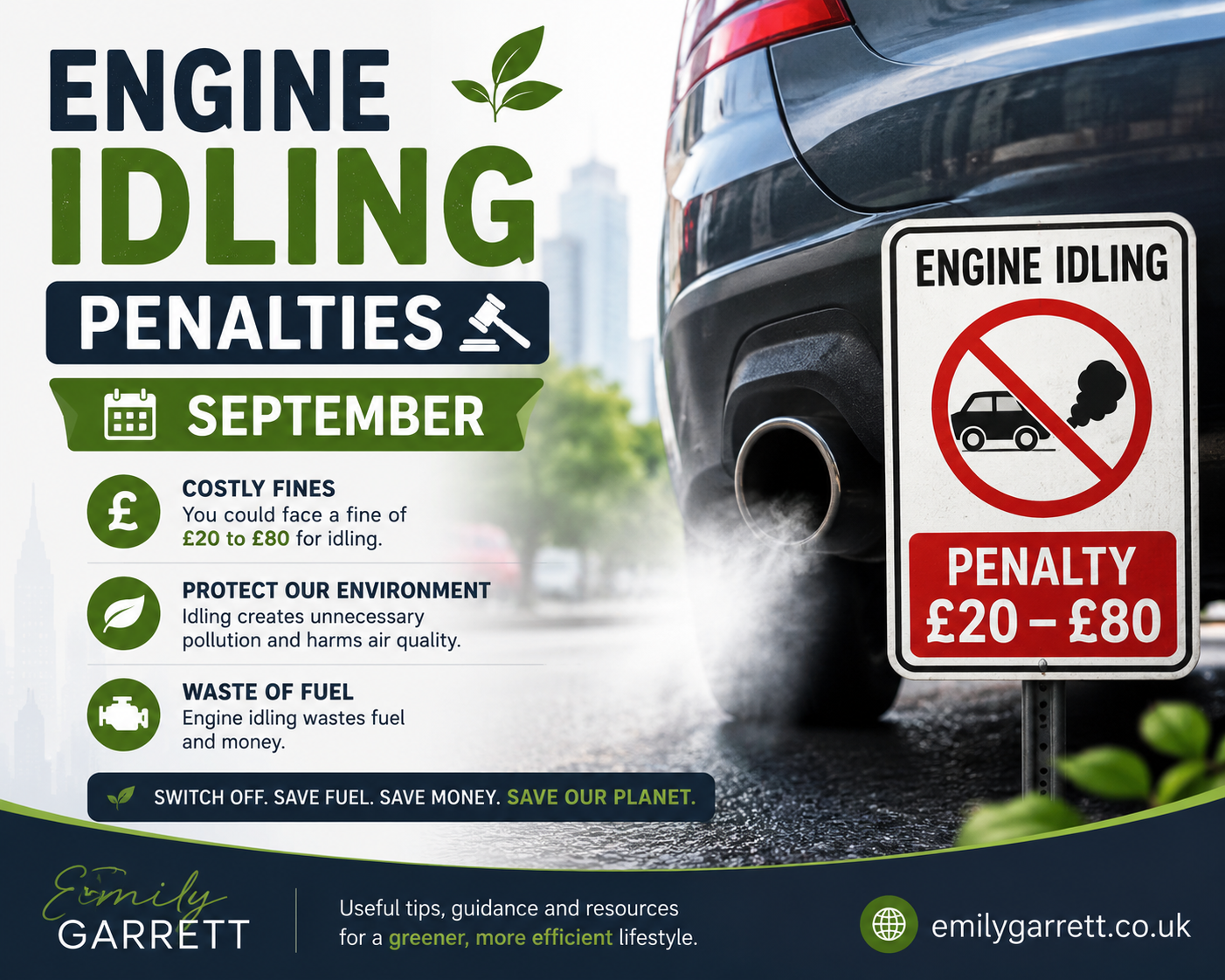
Engine idling penalties September refers to updated or scheduled enforcement rules introduced around September in several regions, where authorities increase fines or strengthen laws against leaving a vehicle engine running while stationary. This term is widely used in discussions about new traffic regulations that focus on reducing unnecessary fuel consumption and air pollution caused by idling vehicles in urban and high-traffic areas. In simple terms, it highlights a policy shift where governments are making idling offenses more expensive and more strictly enforced than before.
The meaning also extends beyond just a single month, as “September updates” are often part of annual or seasonal legal revisions when transportation and environmental departments revise penalty structures. These changes usually include stricter monitoring near schools, hospitals, traffic signals, and congestion zones. The goal is to discourage drivers from keeping engines running without need, which contributes to emissions and wasted fuel. As a result, the phrase represents both a legal update trend and a growing global focus on cleaner and more responsible driving behavior.
Global Overview of Anti-Idling Laws and Enforcement
Anti-idling laws exist in many countries as part of broader efforts to control air pollution and improve urban air quality, and they are enforced in different ways depending on the region. In countries like the United Kingdom, Canada, and the United States, local councils and municipal authorities actively monitor vehicle idling in sensitive areas such as schools, bus stops, and crowded city centers. These laws typically allow enforcement officers to issue on-the-spot fines when a driver leaves the engine running without a valid reason, especially in areas where emissions can directly affect public health.
Enforcement has become more structured over the years, with many cities introducing automated monitoring systems, complaint hotlines, and environmental patrol units to ensure compliance. In some regions, awareness campaigns also support enforcement by educating drivers about the environmental and financial cost of idling. While penalties vary, the common goal remains the same across all countries: to reduce unnecessary emissions and encourage responsible vehicle use, especially in densely populated urban environments where air quality is already under pressure.
How Governments Are Increasing Fines and Penalties
Governments are steadily increasing fines for engine idling as part of wider climate and air quality policies, and this trend is especially noticeable in recent regulatory updates linked with “engine idling penalties September” discussions. Many regions that once treated idling as a minor offense are now upgrading it to a higher penalty category, meaning drivers can face significantly larger fines if they are caught leaving their engines running unnecessarily. This shift is driven by the growing recognition that even short periods of idling contribute to cumulative pollution in busy urban environments.
In addition to raising fine amounts, authorities are also expanding enforcement powers and introducing stricter rules for repeat offenders. Some cities now apply escalating penalties, where the first offense may result in a warning or small fine, while repeated violations lead to much higher charges. Governments are also investing in better monitoring technologies and empowering traffic wardens and environmental officers to issue fines more efficiently. These combined measures reflect a global push toward discouraging wasteful fuel use and reducing emissions through financial deterrence.
Environmental Impact Behind Strict Idling Regulations
Strict idling regulations are mainly driven by environmental concerns, as running a vehicle engine while stationary produces unnecessary carbon emissions that directly contribute to air pollution and climate change. Even a few minutes of idling can release harmful gases such as carbon dioxide, nitrogen oxides, and particulate matter into the atmosphere, which negatively affect air quality in crowded cities. This becomes especially serious in areas with heavy traffic congestion, where thousands of vehicles may be idling at the same time, significantly increasing overall pollution levels.
Beyond climate impact, idling also affects public health, particularly for vulnerable groups like children, the elderly, and people with respiratory conditions such as asthma. Studies have shown that long-term exposure to vehicle emissions in urban environments can increase the risk of breathing problems and cardiovascular diseases. As a result, governments are enforcing stricter anti-idling rules not only to reduce environmental damage but also to protect public health and create cleaner, safer living conditions in densely populated areas.
Real Case Studies from UK, USA, and Other Countries
Real-world enforcement of anti-idling laws can be seen clearly in countries like the UK, USA, and Canada, where authorities have implemented strict penalties and active monitoring systems. In the United Kingdom, local councils such as London boroughs frequently issue fines to drivers who leave engines running near schools or in traffic-heavy zones, often as part of clean air initiatives. These measures are supported by public awareness campaigns that encourage drivers to switch off engines while waiting, especially in residential and sensitive areas.
In the United States, cities like New York have some of the strictest idling laws, limiting engine running time to just a few minutes and imposing heavy fines for violations, particularly near school zones. Similarly, Canadian cities like Toronto and Vancouver enforce idling restrictions through environmental bylaws and citizen reporting systems. These case studies show how different countries adapt similar policies but vary in enforcement intensity, all with the shared goal of reducing emissions and improving urban air quality.
Driver Awareness and Common Mistakes
Driver awareness about engine idling rules is still limited in many regions, which often leads to unintentional violations and avoidable fines. Many drivers believe that keeping the engine running for a short time does not cause any harm, especially during quick stops like waiting for someone or staying in traffic. However, even short periods of idling can fall under enforcement rules in stricter zones, which surprises many motorists when they receive penalties. This lack of awareness is one of the main reasons governments continue to run educational campaigns alongside enforcement actions.
Another common mistake is assuming that idling is only restricted in extreme pollution zones, while in reality many cities apply rules broadly across residential, school, and commercial areas. Drivers also often misunderstand exemptions, thinking that air conditioning use or waiting inside the vehicle automatically allows idling. In fact, most regulations clearly state that unnecessary engine running is prohibited unless there is a valid mechanical or safety reason. Improving awareness of these details is essential to reduce fines and encourage more responsible driving habits.
Future of Engine Idling Laws Worldwide
The future of engine idling laws is expected to become even stricter as countries focus more on climate goals and sustainable transport policies. With rising concerns about carbon emissions and urban air quality, governments are likely to expand no-idling zones and increase penalties for repeated violations. Technological advancements, such as automated traffic monitoring systems and AI-based surveillance, will also make enforcement more efficient and widespread in the coming years. This means drivers will have fewer chances to avoid detection in high-risk areas.
At the same time, the global shift toward electric vehicles is expected to reduce idling issues naturally, since EVs do not produce traditional exhaust emissions. However, until full adoption of clean transport is achieved, anti-idling regulations will continue to play an important role in reducing pollution. Many experts predict that future laws will not only impose higher fines but also integrate idling restrictions into broader smart-city environmental policies, making compliance an essential part of everyday driving behavior.
Conclusion & FAQs
Engine idling penalties September highlights a growing global effort to tighten traffic and environmental rules by discouraging unnecessary vehicle idling through stricter laws and higher fines. Across different countries, governments are treating idling not just as a minor traffic issue but as an important environmental and public health concern. As enforcement increases, drivers are expected to become more mindful of how small habits like keeping an engine running can contribute to pollution, fuel waste, and legal penalties.
FAQs
1. What are engine idling penalties?
They are fines issued to drivers who keep their vehicle engine running while stationary without a valid reason.
2. Why are September updates important?
Many regions introduce or revise traffic and environmental rules around this period, including higher fines and stricter enforcement.
3. How much can idling fines cost?
Fines vary by country, ranging from small penalties like $20–£80 to over $300 in strict cities like New York.
4. Why is engine idling harmful?
It increases air pollution, wastes fuel, and contributes to health problems such as respiratory issues in urban areas.