When Is Hurricane Season in Florida?
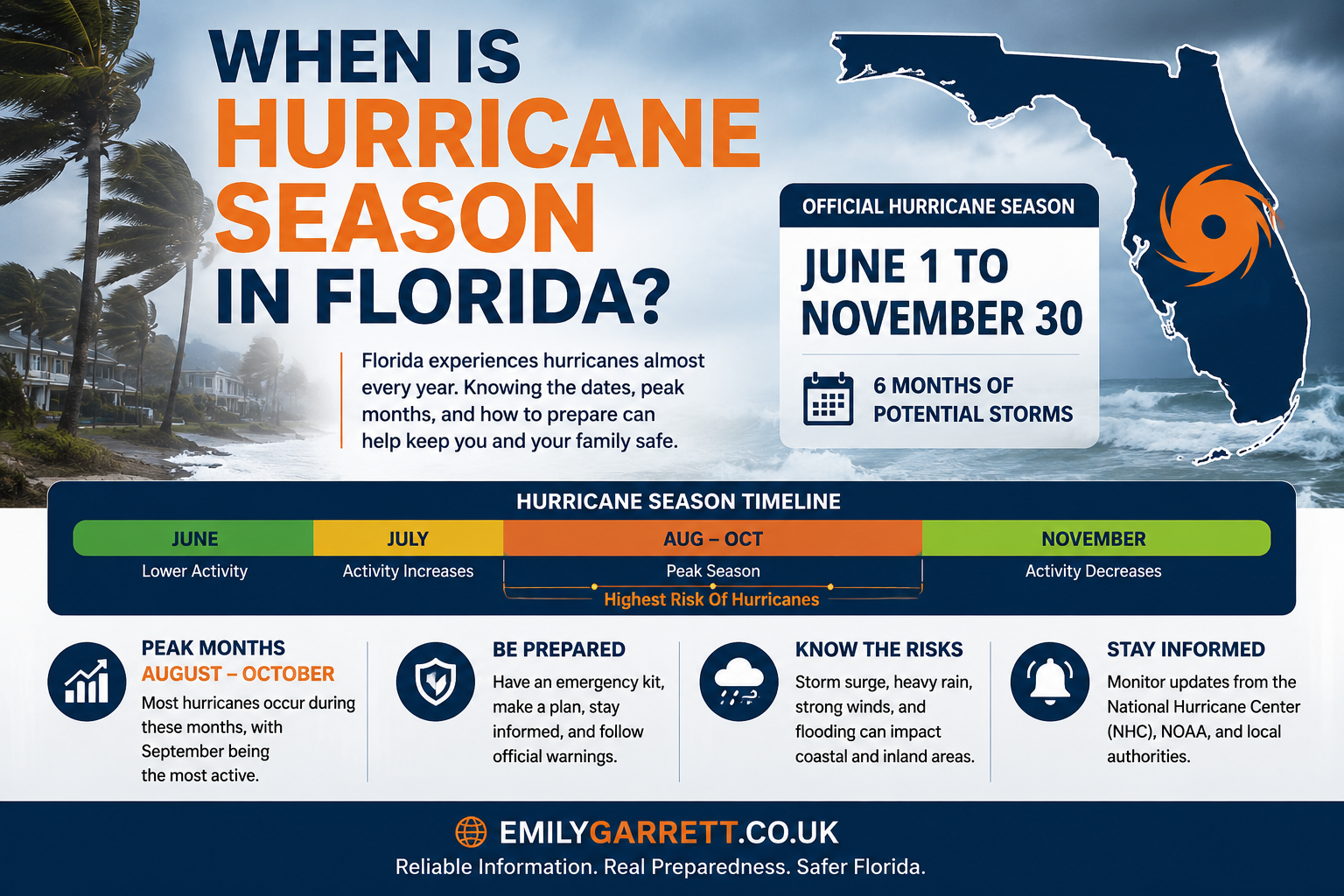
The answer to “when is hurricane season in florida“ is straightforward: the official Atlantic hurricane season begins on June 1 and ends on November 30 each year. During this six-month period, weather conditions over the Atlantic Ocean, Caribbean Sea, and Gulf of Mexico become favorable for the development of tropical storms and hurricanes. Florida is particularly vulnerable because it is surrounded by warm waters that can fuel these powerful weather systems. While storms can occasionally form outside the official season dates, the vast majority occur between June and November, making it essential for residents and visitors to stay informed and prepared throughout this period.
Why Florida Faces More Hurricanes Than Many States
Florida experiences more hurricanes than many other U.S. states because of its unique geographic location. The state is bordered by both the Atlantic Ocean and the Gulf of Mexico, two large bodies of warm water that provide the energy needed for tropical storms to develop and strengthen. As hurricanes travel across these warm waters, they can gain intensity before approaching Florida’s coastline. The state’s long coastline also increases the chances that a storm will make landfall somewhere within its borders.
Another reason Florida faces frequent hurricane threats is its position along common tropical storm paths. Storms that form near the coast of Africa, in the Caribbean Sea, or in the Gulf of Mexico often move toward the southeastern United States. Because Florida extends far into tropical and subtropical waters, it is often one of the first areas affected by these systems. This combination of warm ocean temperatures, extensive coastline, and strategic location makes Florida one of the most hurricane-prone regions in the country.
How Long Does Hurricane Season Last?
Hurricane season in Florida lasts for six months, running from June 1 through November 30. Although tropical storms and hurricanes can develop at any point during this period, activity is usually lower at the beginning and end of the season. The greatest risk occurs during the middle months when ocean temperatures are at their warmest and atmospheric conditions are most favorable for storm formation. Because the season spans half the year, emergency officials encourage residents and visitors to remain prepared throughout the entire period rather than focusing only on the peak months.
Peak Hurricane Months in Florida
Although hurricane season officially begins in June, the most active period typically occurs between August and October. During these months, ocean temperatures reach their highest levels, providing the energy needed for tropical systems to grow stronger and more organized. As a result, Florida often experiences an increase in tropical storms, hurricanes, and severe weather threats during late summer and early fall.
September is widely regarded as the peak of hurricane season. Historical records show that more Atlantic hurricanes form in September than in any other month. Warm water temperatures, favorable wind patterns, and increased tropical activity across the Atlantic basin combine to create ideal conditions for hurricane development. This is why meteorologists pay particularly close attention to weather systems during September.
Even though the highest risk falls within these peak months, Floridians should not ignore the rest of the season. Significant hurricanes have occurred in June, July, November, and even outside the official season in rare cases. Staying informed about forecasts and maintaining emergency supplies throughout the entire hurricane season is the best way to remain prepared for unexpected storms.
Major Hurricanes That Impacted Florida
Florida has experienced many destructive hurricanes throughout its history, demonstrating the state’s vulnerability to powerful tropical systems. Notable storms such as Hurricane Andrew in 1992, Hurricane Charley in 2004, Hurricane Irma in 2017, and Hurricane Ian in 2022 caused widespread damage, flooding, power outages, and economic losses across various regions of the state. These hurricanes serve as reminders of the importance of preparedness, as even well-forecast storms can have devastating effects on homes, businesses, infrastructure, and local communities.
Hurricane Safety Tips for Residents and Visitors
Staying safe during Florida’s hurricane season requires planning and awareness, especially when asking “when is hurricane season in Florida” and preparing in advance. Residents and visitors should always stay updated with weather alerts and follow official guidance from local authorities. When a storm is approaching, it is important to secure outdoor items, avoid unnecessary travel, and move to a safe location if evacuation orders are issued. Simple actions taken early can significantly reduce risks during severe weather conditions.
Another important safety step is to keep an emergency kit ready throughout the hurricane season. This kit should include essentials such as bottled water, non-perishable food, flashlights, batteries, medications, and important documents. Staying connected through a battery-powered radio or mobile alerts can also help you receive timely updates. Being prepared not only protects your safety but also helps reduce panic during emergency situations.
How to Prepare Your Home Before a Hurricane
Preparing your home before a hurricane is one of the most important steps in reducing potential damage during Florida’s hurricane season. Homeowners should begin by securing windows with shutters or plywood, reinforcing garage doors, and trimming trees or branches that could fall during strong winds. It is also important to check roof conditions and make basic repairs in advance, as even small weaknesses can become serious problems during a storm. Taking these steps early helps protect both property and lives when severe weather approaches.
Inside the home, residents should safeguard important belongings by moving them to higher ground in case of flooding. Electrical appliances should be unplugged if evacuation becomes necessary, and outdoor furniture or loose items should be stored indoors. Having a clear evacuation plan and knowing the safest routes out of your area is equally essential. Proper home preparation ensures that when a hurricane does arrive, the damage can be minimized as much as possible.
Reliable Sources for Hurricane Forecasts and Alerts
Staying informed during Florida’s hurricane season is essential, especially when people search “when is hurricane season in florida” to understand risk timing. One of the most trusted sources for accurate updates is the National Hurricane Center, which provides real-time tracking of tropical storms, hurricanes, and weather alerts. The National Oceanic and Atmospheric Administration (NOAA) also delivers official forecasts, storm predictions, and climate data that help residents and officials prepare in advance.
Local emergency management agencies in Florida also play a key role in sharing warnings and evacuation orders. These agencies often work alongside national weather services to ensure the public receives timely and location-specific updates. In addition, weather apps, radio stations, and television broadcasts provide continuous updates during active storms. Relying on official and verified sources is crucial because it ensures the information you receive is accurate and helps you make safe decisions during hurricane season.
Conclusion
Understanding when is hurricane season in Florida is essential for staying safe and prepared throughout the year. With the official season running from June 1 to November 30 and peak activity occurring between August and October, Florida residents and visitors must remain alert for potential storms. Proper preparation, timely updates from trusted sources, and a clear safety plan can significantly reduce risks during hurricane season. By staying informed and ready in advance, individuals can better protect their families, homes, and communities from the impacts of severe weather.
FAQs
1. When is hurricane season in Florida?
Hurricane season in Florida runs from June 1 to November 30 each year.
2. What month has the most hurricanes in Florida?
September is typically the most active month for hurricanes.
3. Can hurricanes happen outside the season?
Yes, but it is rare for hurricanes to form outside June–November.
4. How can I stay safe during hurricane season?
Stay updated with weather alerts, prepare an emergency kit, and follow evacuation orders if issued.